

How to recognize data quality problems, measure their impact, assign responsibility and address the causes of errors.

How to recognize data quality problems, measure their impact, assign responsibility and address the causes of errors.

Growing companies need shared KPI definitions, reliable source systems and consistent BI reporting. This article shows how to start without turning metrics into noise.
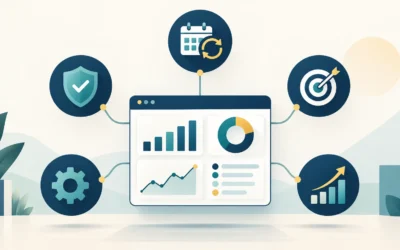
Most BI tools are abandoned because they focus on features rather than daily habits. This article explores how to choose a platform that lasts by prioritising decision routines, building data trust, and accounting for long-term operating costs. Success is measured by whether the tool has become a permanent fixture in your decision-making at least six months after go-live.

Open source BI can give you more control, but it rarely means one simple replacement. Behind it sits a full stack of tools, decisions, and operational work. This article looks at what each layer does, what it takes to run, and where this model makes practical sense.
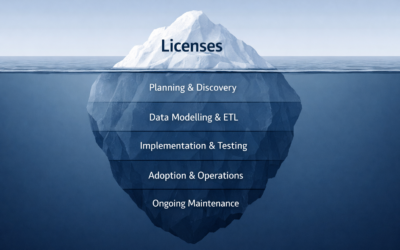
How much does an implementation of a BI system cost? The answer depends on project scope, data complexity, and the operating model. This article explains the main BI cost drivers, common implementation scenarios, and hidden costs companies should consider when planning dashboards, data platforms, and reporting systems.

The Biggest BI Vendors are expanding conversational capabilities and semantic consistency, while setting clear migration timelines that might affect daily BI operations. For SMEs, the focus shifts toward structured planning, defined metric ownership and controlled adoption of new features. In this article, we examine recent vendor updates and translate them into practical insights for 2026 BI planning.

Many manufacturing companies already use Business Intelligence, but their data often reflects what has already happened. Reports give a clear picture, yet small changes on the shop floor usually become visible only after they start affecting cost, quality, or output. AI helps move this visibility a bit earlier. It supports spotting subtle shifts while there is still time to react calmly and adjust. Below are five ways manufacturing companies use AI inside their BI systems to gain earlier visibility and more stable operations.

As Business Intelligence becomes more closely connected to data platforms and everyday decisions, new patterns are emerging. This article looks at how BI and data analytics have evolved in recent years, what trends are gaining momentum, and how mid-sized companies can apply these insights in practice.

As hospitals rely on more digital systems, automated data flows become essential. Integrating information from admissions, labs, pharmacy, finance, and clinical systems reduces repetitive work and creates a stable foundation for reliable reporting. It also helps teams focus on trends and decisions that genuinely improve everyday operations — and this article will show how.

Finance teams work more smoothly when data flows reliably across the organisation. Automation brings clarity to daily decisions and reduces manual effort. In this article, you’ll learn how real-time insight, consistent inputs, and structured reporting help finance focus on meaningful analysis and create a stronger foundation for planning.

Decision Support Systems (DSS) have transformed over six decades — from early interactive tools and spreadsheets to intelligent platforms powered by AI and autonomous agents. This article traces that journey and explores what lies ahead, from cloud and big data to quantum computing and ethical design.
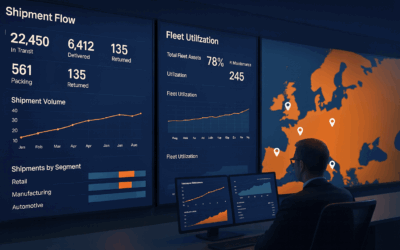
Business Intelligence in logistics provides real-time visibility, reduces costs, and enables smarter decisions across warehouse, transport, finance, and customer operations. In this article, we examine how integrated data platforms enhance logistics performance, improve supply chain efficiency, and provide companies with the clarity they need.

The telecommunications industry is built on facts. Network traffic, service levels (SLAs), and cost trends are visible in the data long before they appear in reports or presentations. A data-driven approach means treating performance, reliability, and costs as things you can measure — and letting those measurements guide how platforms are designed. In this article, we share our own experience from working with telecom projects in Azure — showing how data shaped our design choices and how decisions based on evidence led to better results.

Modern food production relies on multiple systems to manage planning, inventory, production, and quality, but these systems often operate in isolation. This makes it difficult to answer basic questions like: What can we realistically produce this week? Where are we losing efficiency? Was this batch profitable? In this article, we explore how connecting data from across the factory floor creates real-time visibility, better decision-making, and a real competitive edge.

Cities today have vast data resources at their disposal. But without the right tools, those resources remain scattered and hard to apply. Business Intelligence (BI) doesn’t replace expertise — it enhances it. It organizes knowledge, facilitates collaboration across departments, and improves how decisions are made. In practice, that means more precision, fewer doubts, and better use of time and resources. Read this article to learn more about BI in Urban decisions.

Still making hotel decisions based on guesswork?
Learn how data analysis can bring clarity to your daily operations. This article shows how hotel managers can combine information from booking systems, guest databases, and finances to get a full picture of what’s really happening and make faster, smarter decisions without overhauling their entire IT setup.
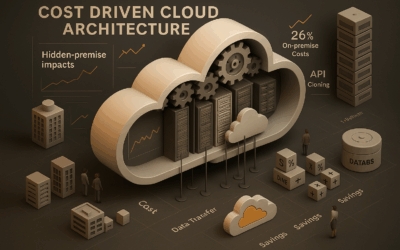
Transitioning from on-premise to cloud computing, businesses encounter hidden complexities and performance impacts, unmentioned by vendors. This shift requires a nuanced understanding of cloud services for optimal architecture, balancing cost and performance in a landscape where physical hardware still plays a crucial role.
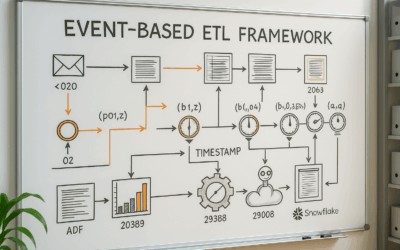
Facing the need to modernize its data processing, an investment fund shifted from SSIS to Snowflake for its cloud scalability, integrating diverse data sources into a new reporting system. Automating data loading with Azure Event Hub increased efficiency, reduced costs, and enhanced system flexibility, showcasing the benefits of technology transformation in finance.